
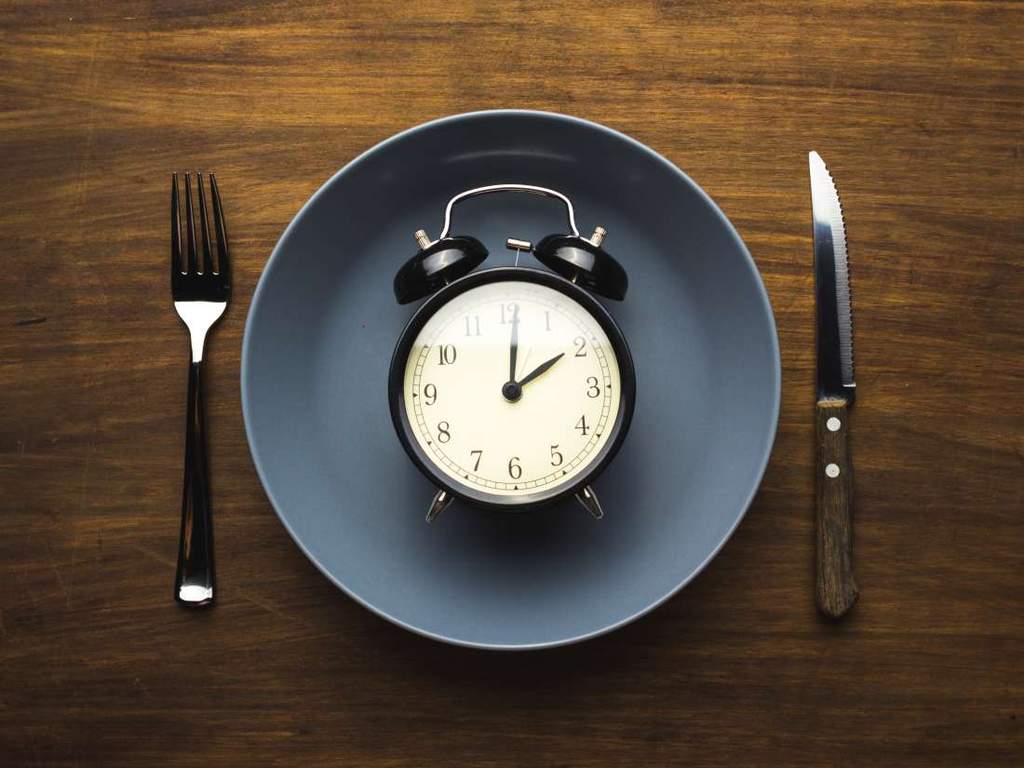
Intermittment Fasting (IF) is any various meal timing schedules that cycle between voluntary fasting, and non-fasting, over a given period. (Wikipedia definition) The methods of IF include: alternate-day fasting, periodic fasting, and daily time-restricted feedings. John Hopkins School of Medicine says research show that IF is a way to manage and prevent, or even reverse, some forms of disease. Many diets focus on what you eat, while IF focuses on when you eat. I do agree that it is very important to monitor what you eat, because it is a major factor in your daily health eating habits. It’s much harder today, than 50 years ago, to maintain a good healthy weight. Today, we are presented with larger food portions and processed foods. Let us not forget that we have all sort of 24/7 entertainment available, which contributes to many adults and children staying awake longer. Staying alert longer means more sitting and snacking, versus 50 years ago when the TV was off at 11pm and children played outside. Many people have made this transition slowly, without even realizing it. If you think about it, this transition was slowly made over decades. Now it is considered a normal part of life with how, and what, we eat. We also have a higher percentage of all kinds of diseases now than 50 years ago.
So, you’re probably asking what the difference is between Fasting and IF. Well, I did a little research and found some pretty good information on Simple Roots Wellness website (SRW) that I agreed with the most. SRW said that there is a HUGE difference between IF and Fasting, they label fasting as Prolonged fasting. Their approach to fasting and IF is, IF should be considered a normal way of life and not in itself fasting. Fasting is going three to five days without food, or with very little of it. There are pros to IF for everyday health, but the Prolonged (Deep) fasting is where the massive health benefits are found. https://simplerootswellness.com/intermittent-fasting-vs-prolonged-fasting/
Prior to my knowledge about IF, I always thought that fasting was not eating for three days or more, which is true, BUT, I did not know fasting could pretty much be customized to achieve the prolonged fasting, which I like to refer to as DEEP FASTING. I also thought that fasting was only for Biblical reasons, which is also true, but there are many reasons in Biblical fasting, as well. (Fasting and the Bible I will save for a special post at another time) I personally have not completed more than 26 hours of fasting, and that only happened once by accident.
Overall, either of these fasting methods are very beneficial in weight loss, or just trying to improve your health. Improving your health is not always about losing weight, though a majority of the time, that is a person’s goal. There are some people who want to get toxins out of their bodies quickly so, when they eat the correct foods, those foods can be absorbed to be beneficial to their health. In my personal experience, IF has been the best for my weight loss, and it boosted my overall health. In my next post, I will go into more detail about how IF works and what is the most used method.
****DISCLAIMER**** I am not a trained Healthcare professional of any sort. Please talk with your HCP when you want to make any changes in your diet. This post is just my research and personal experience.

Discover more from Chatty Chansa
Subscribe to get the latest posts sent to your email.
 Chatty Chansa