
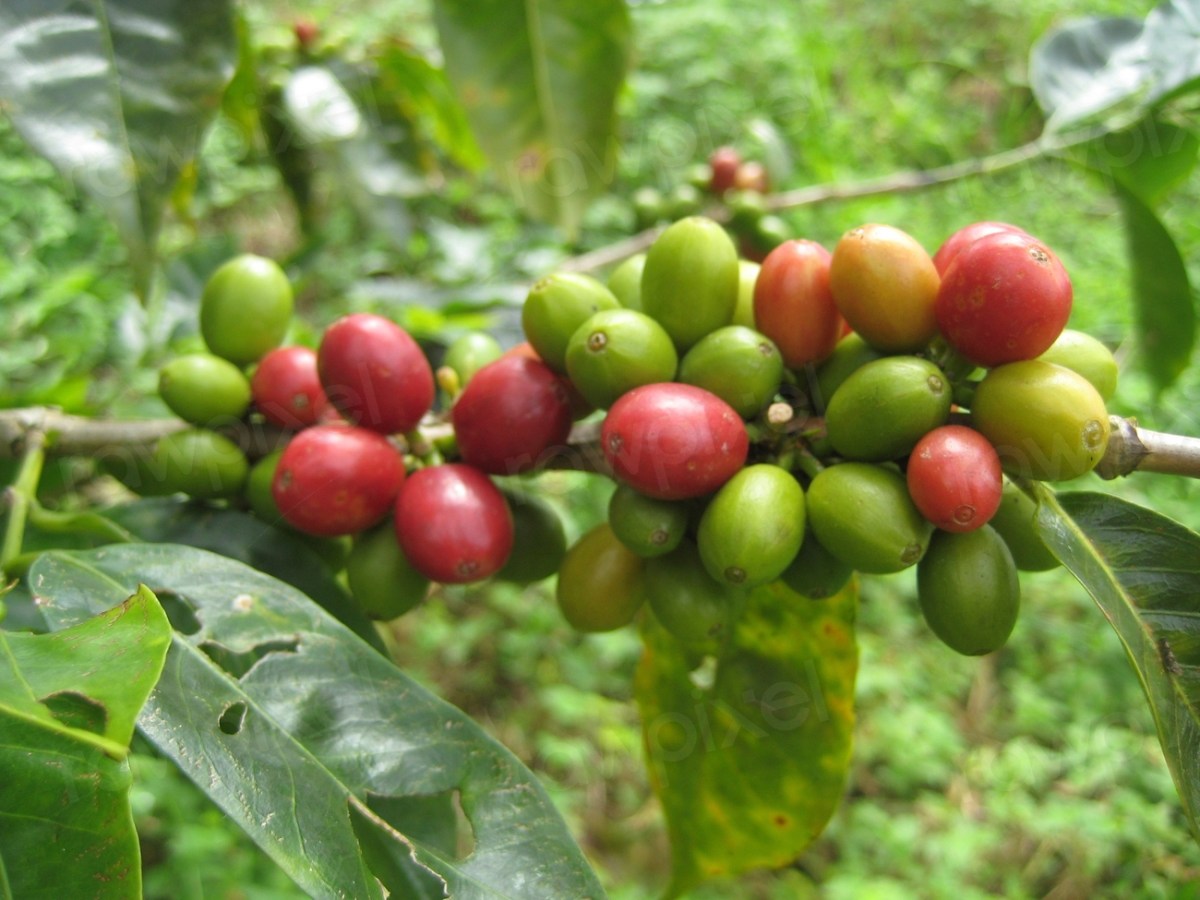
If you are a coffee lover like I am then you must know the history behind our delicious cup of bean brew. I suggest you knowing the history because you may not know that coffee has an extensive background and will be surprised by how it was first discovered, how it was used, and how it was cultivated. I am only giving you parts of the history that I think is most important, but all is important in my opinion, even the dark history of coffee. There is a lot of information out there about the history of coffee. I have not explored all the information from all the sources out there. Many of the sites were pretty much of what I have written below.
The word coffee entered the English language in 1582 via Dutch (koffie).
The history of coffee can be traced back for centuries to the Ethiopian plateau. There is a legend that states a goat herder first discovered the red berries back in the 9th century in a part of Yemen called Mocha. Evidence of knowledge about the coffee tree and drinking coffee first appeared in the late 14th century. History has it that coffee was used widely by the Nomadic Tribes for thousands of years. The trees grew wild in Yemen. In those times coffee was employed as an aid in concentration during prayers by the Sufi monasteries.
Roasting the seeds was not a way to serve coffee until 1400s. During the cultivation period, brewed coffee was reserved exclusively for the Priesthood and Medical profession; doctors would brew coffee for their patients, who were experiencing a need for better digestion. Priests used it for long nights of study. Coffee later arrives to Europe in the early 16th century. Central and Eastern Europeans learned of coffee from the Ottomans. The coffee was only served to the wealthy. Coffee arrived in Italy about the second half of the 16th century, only receiving it through the Mediterrian trade routes.
By the mid 17th century, it had reached India and the East Indies. Coffeehouses were established in England and were called “penny universities” by the late 17th century. During the 1700s, coffee seeds were brought to Martinique, those seeds produced over 18,000 coffee trees which enabled its spread to Carribean Islands such as St. Dominque, and then to Mexico. Midway into the 1800s, Brazil became the largest producer of coffee, globally, and still holds that status today. In 1950, the playing field widened to the emergence of several other major producers, notably Colombia, the Ivory Coast, Ethiopia, and Vietnam. In 1999, Colombia had overtaken and became the second largest producer. This information is similar with cocoa, tea, potatoes, maize, peas, and beans.
This article about the History of Coffee was researched on en.wikipedia.com. There are other sources of information of the history of coffee out there. I decided to use this information as an introduction to my coffee articles. There is so much to knowledge about coffee that the majority of people don’t know and maybe they don’t care to know. When you really get into the depths of the history of how it is cultivated and produced, you will probably be more grateful for your delicious cup of Joe.
You are welcome to subscribe to my blog by entering your email address in the field below. I do not spam and do not post everyday. Thank you for your time reading my blog.
 Chatty Chansa