How does Intermittent Fasting work?

If you have read my previous blog “what is IF” then you have a small idea of what it is and how it is different from Deep Fasting (DF). This post I will go into details on how IF works, what changes I made to my diet, and what method I used most. I will also post App(s) that I used to help me keep track of my time. Links that I display, or Apps that I suggest, I do not get any type of incentives. Hopefully, down the road, I can make that possible.

Now, let’s move forward. Most Americans’ normal eating cycles differ greatly with IF, especially if they eat throughout their waking hours. In this nation, most people eat three meals a day, plus snacks. So, every time they eat, they are running on those calories and not burning the fat that is stored in the body. This is how weight is gained.

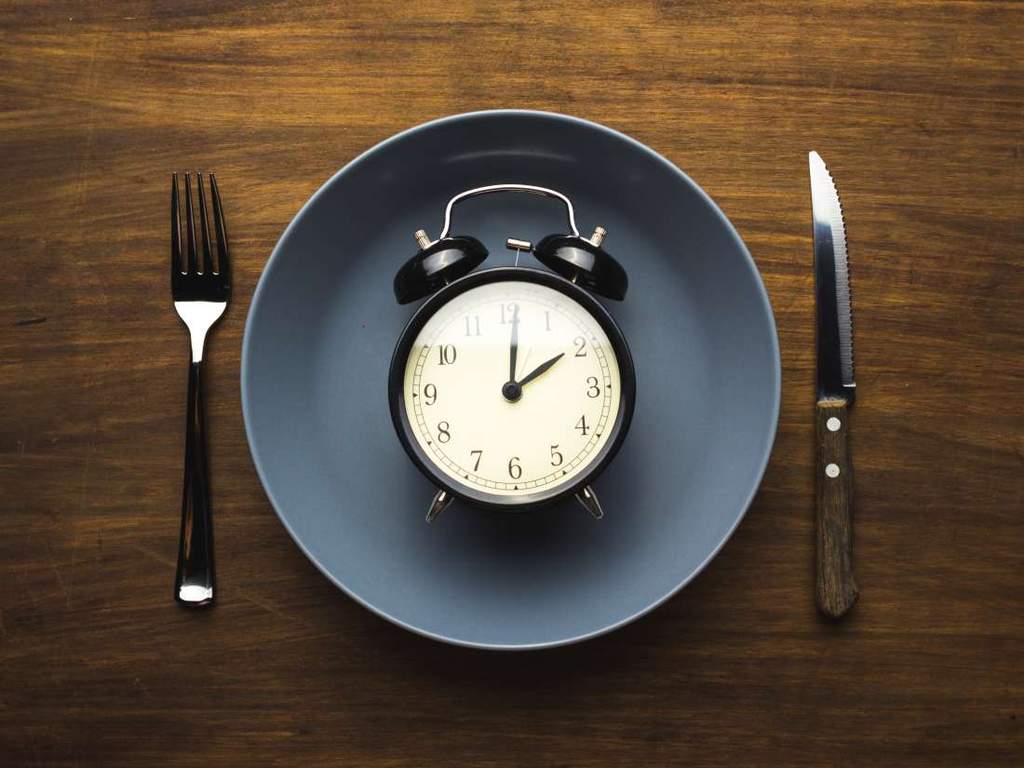
There are several different ways to customize IF to work for you, but they all are based on choosing a set time schedule to eat and fast. This is referred to as Time Restricted Fasting (TRF). The fasting timeframes start as low as 13 hours fasting and 11 hours eating. (The 13:11 window. This time frame is a great first step into introducing IF to your body and mind.) Next is the most commonly used timeframe, which is the 16:8. Others are 18:6, 20:4, and One Meal A Day (OMAD). Once you hit 24 hours of fasting, you will begin the process of getting into the Deep Fasting Stage (DFS). The longer you go, the more health benefits you will reap. It does sound crazy and unachievable, but it IS achievable. Many people have been able to do this, so it is not rare at all. I have a chart below that you can visually see the timeframes.

There is another method of fasting than just hours in a day, I call it, Ratio Fasting (RF) 5:2. This eating for five days and fasting for two. However, you can make your RF how you desire to fit your needs or goals. The charts below can give you a visual idea of how all this works.

When I started IF, I did start at a low timeframe and worked my way up to my goal. I, at times, did unintentionally exceed my goal, but I reaped the rewards of feeling so much better, especially the next day. The main timeframe that I use is the 16:8. Once I get myself back into the swing of fasting again, it’s much easier to maintain. I TRY not to stray away from fasting too long. When I implement my fasting, I normally do it about four or five days a week. In the beginning, I did just two days a week, and then worked my way up. I thought it would be hard, but it truly wasn’t. Implementing IF has done wonders for me and my overall health. I am certainly happy that I gave it a try. The App that I have been using to help track my time of fasting is Zero. It is free with both Apple and Android phones. However, there are other fasting apps you can choose from to use, but of course, use what benefits you most.

In conclusion, IF has been studied by many doctors who have tried and recommended it to their patients who have various health issues to serious health concerns. All patients who did participate in IF had extremely positive life changing results. However, there are many Healthcare professionals who are not aware of how incredible fasting is for one’s body, and how it can allow your body to naturally heal itself, just as it was designed to do. Now that you have an idea of how IF works, I hope this will help you on choosing a timeframe, or even customizing it to fit your daily routine. With IF you can start the journey of living a heathier life. My next post will be what foods are suggested while inside your eating window, plus what happens to our bodies when we fast.

***DISCLAIMERS***

  • I AM NOT A TRAINED HEALTHCARE PROFESSIONAL OF ANY SORT.
  • ALL INFORMATION ABOVE IS FROM MY OWN PERSONAL RESEARCH AND PERSONAL EXPERIENCE.
  • FASTING OF ANY KIND IS STRONGLY DISCOURAGED FOR CHILDREN AND THOSE WITH EATING DISORDERS.

How I got started in the beauty industry

Photo by Beata Dudovu00e1 on Pexels.com

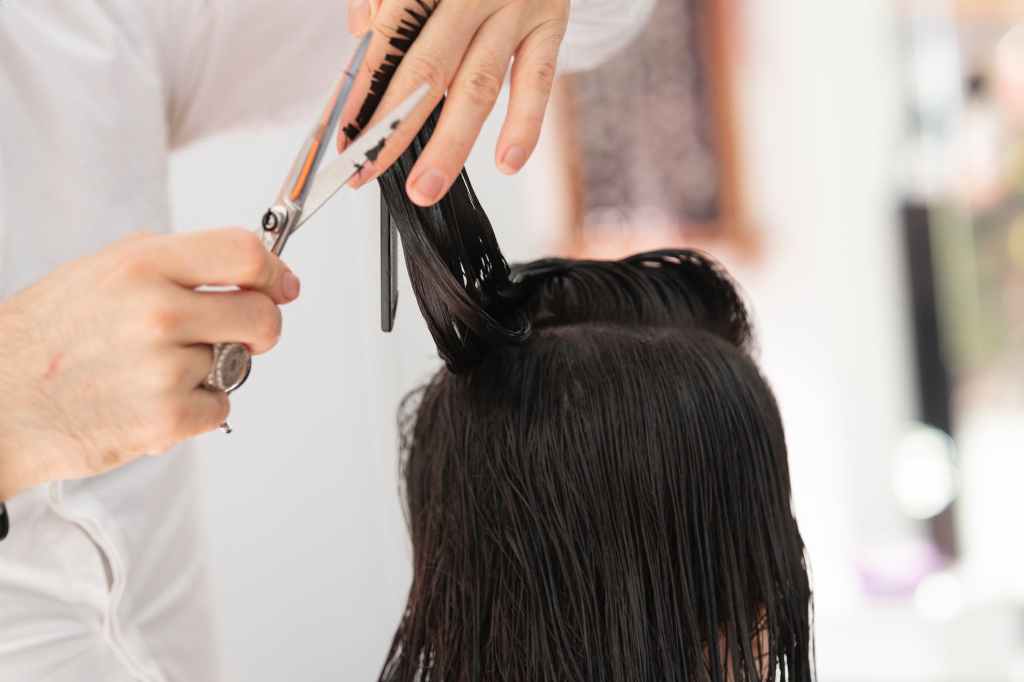
Let’s start with the definition of Cosmetology. Cosmetology is the study and application of beauty treatments which include: hair, skin, and nails. All three are serviced by a licensed, trained professional. All three of these services can be branched out into a different career path. For hair, the most widely common service is hairstyling, which those services are normally haircuts, hair coloring, and formal hair styling (UPDO’s). Skin care, for the basic cosmetologist, is applying make-up to one’s face. Most of the time they are referred to as a Make-Up Artist. And lastly are the nail services. Nail services are commonly done by what is called a Nail Technician. Nail Techs give basic manicure of shaping and styling a person’s nails (hands and feet) and can go further into decorating nails with a color polish, glitter, overlays, and gems.

Now that we know what a cosmetologist is, here is where I will begin my story.

In January of 2012, I enrolled in the Cosmetology program at Virginia College in Huntsville, AL. I had no clue what a cosmetologist was or what they did. Neither did I know that a hairstylist was labeled as a cosmetologist. I had initially enrolled to see if they had a culinary program, but they did not offer that program at that location. So, I had discussed this with my family and they all encouraged me to enroll in the cosmetology course. The course was for 12 months for full time and 18 months for part time (night school). I chose the full time. To be a licensed cosmetologist, Alabama requires you to complete 1,500 hours of training in a school of cosmetology before you can even take your state board exams. I did better than I expected in this program and am still very proud of myself, today. I completed my program in December of 2012, and walked the stage as an Honors Graduate in February of 2013. About a month later, I was able to take my written exam and in April or May I took my practical exam. I scored in the low 90’s on both exams and received my Cosmetology license about 6 weeks later.

In May, I was hired as a Stylist with Cost Cutters. I enjoyed cutting hair and seeing the transformation on people. Well, about a week into my new job my health took a turn for the worse. This bad turn took many arguing doctors months to figure out what was going on with me. I had to take water therapy to help me gain my strength back into my legs. Doctor visits, specialist, and all that sorts. I was in bad shape in all aspects of my life. A few months went by and I went to see a neurologist in Cullman. He is the one who diagnosed me with MS.

Back to the salon job I had. After a few weeks off, because I had been in and out of the hospital, they asked me to resign due to my health. I sadly agreed. They did ask me to come back after I was well enough to, but only with a written doctor’s release. I only did hair for people who would ask me. A couple years later I did apply for another salon job, but, did not get hired due to the fact that I was “too slow.” This is true, sadly, but I blame this on the MS and how much it has affected my cognitive speed. I kept my license up until 2021. I am thankful for the opportunity to have received this education and knowledge. I still do hair services and nails, from time to time, but with me not having a license, I cannot work in a salon, nor run a business out of my home. I do enjoy doing hair and nails, but it is not a passion of mine. I am willing to extend my skills and knowledge to help others.

So, in light of all that has been said about my story of cosmetology, I can write about it with professional knowledge to give to you. However, much as been updated with products and techniques that I do need to inquire to stay up to date. I am educated with the basic foundation of cosmetology. That year program covered a lot of curriculum. In future posts, I will be covering about the beauty of cosmetology and the branches and details of services.

What is Intermittent Fasting?

Intermittment Fasting (IF) is any various meal timing schedules that cycle between voluntary fasting, and non-fasting, over a given period. (Wikipedia definition) The methods of IF include: alternate-day fasting, periodic fasting, and daily time-restricted feedings. John Hopkins School of Medicine says research show that IF is a way to manage and prevent, or even reverse, some forms of disease. Many diets focus on what you eat, while IF focuses on when you eat. I do agree that it is very important to monitor what you eat, because it is a major factor in your daily health eating habits. It’s much harder today, than 50 years ago, to maintain a good healthy weight. Today, we are presented with larger food portions and processed foods. Let us not forget that we have all sort of 24/7 entertainment available, which contributes to many adults and children staying awake longer. Staying alert longer means more sitting and snacking, versus 50 years ago when the TV was off at 11pm and children played outside. Many people have made this transition slowly, without even realizing it. If you think about it, this transition was slowly made over decades. Now it is considered a normal part of life with how, and what, we eat. We also have a higher percentage of all kinds of diseases now than 50 years ago.

So, you’re probably asking what the difference is between Fasting and IF. Well, I did a little research and found some pretty good information on Simple Roots Wellness website (SRW) that I agreed with the most. SRW said that there is a HUGE difference between IF and Fasting, they label fasting as Prolonged fasting. Their approach to fasting and IF is, IF should be considered a normal way of life and not in itself fasting. Fasting is going three to five days without food, or with very little of it. There are pros to IF for everyday health, but the Prolonged (Deep) fasting is where the massive health benefits are found. https://simplerootswellness.com/intermittent-fasting-vs-prolonged-fasting/

Prior to my knowledge about IF, I always thought that fasting was not eating for three days or more, which is true, BUT, I did not know fasting could pretty much be customized to achieve the prolonged fasting, which I like to refer to as DEEP FASTING. I also thought that fasting was only for Biblical reasons, which is also true, but there are many reasons in Biblical fasting, as well. (Fasting and the Bible I will save for a special post at another time) I personally have not completed more than 26 hours of fasting, and that only happened once by accident.

Overall, either of these fasting methods are very beneficial in weight loss, or just trying to improve your health. Improving your health is not always about losing weight, though a majority of the time, that is a person’s goal. There are some people who want to get toxins out of their bodies quickly so, when they eat the correct foods, those foods can be absorbed to be beneficial to their health. In my personal experience, IF has been the best for my weight loss, and it boosted my overall health. In my next post, I will go into more detail about how IF works and what is the most used method.

****DISCLAIMER**** I am not a trained Healthcare professional of any sort. Please talk with your HCP when you want to make any changes in your diet. This post is just my research and personal experience.

Welcome to Chatty Chansa

My name is Chantel Chansa, I created this blog as a place to share all the things that I am passionate about. Topics that I chat about, I have either researched, used my knowledge, experienced or all three. I have had many people to ask questions regarding things that I have knowledge of. So, I thought that a blog would be a great way to share with them along with others like you. Here you will find information on various topics as this blog site grows. I would like for my site to be a place where learning is explored, and knowledge is taught. I hope that you will find it useful for yourself, your family, and friends. I thank you for taking your time to read what I am led to share.

Chatty Chansa

Exploring knowledge

Read all posts ↓