
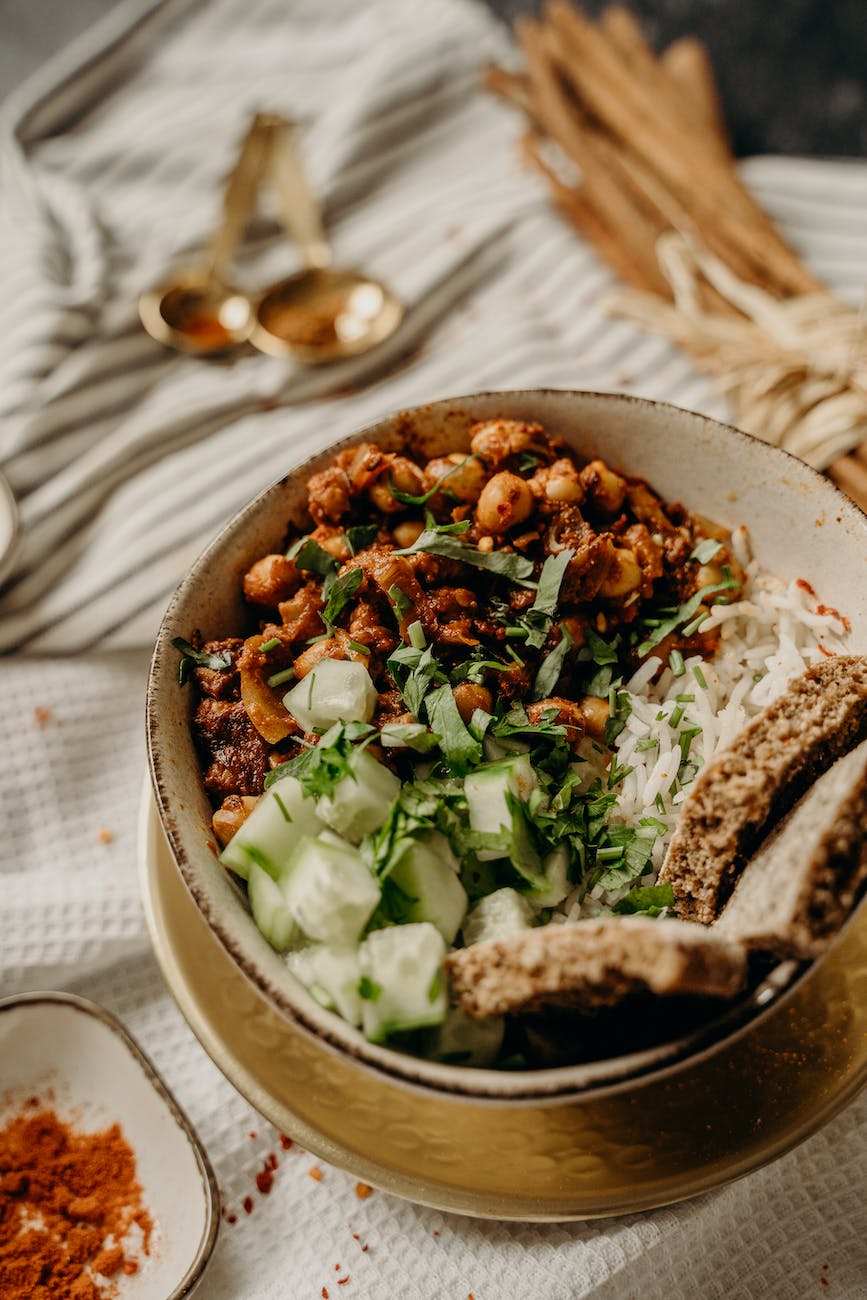
Plant-based definition, according to Wikipedia, is “a diet consisting mostly or entirely of plant-based foods. Those foods encompass a wide range of dietary patterns that contain low amounts of animal products and high amounts of plant products, such as vegetables, fruits, whole grains, legumes, nuts and seeds.”
I wanted to put some knowledge out there for those who do not know what these differences are when it comes to healthy lifestyle eating. There are a lot of diets out there that works for some people and for others it does not. However, there are people who want to do something different and achieve great results without spending extra money on a diet plan. When a person decides to make changes to their eating lifestyle, they are automatically aware that there is going to be an extra expense for that achievement. I can personally tell you that since I have implemented plant-based eating, I have saved money. It does not have to be a costly diet to get the results that you want. Here’s why I say it is cheaper to eat healthier. There are a lot of staple foods that a plant-based eater would have in their home. Let me start with beans and legumes. Beans are cheaper if bought dried. Depending on the size of your family, beans can last you for at least a couple of meals. Beans and legumes can be used in many different ways than just being cooked in a crockpot. I have some recipes available that can get you started on plant-based eating meal ideas. Beans are not the only plants that are a very versatile food. Nuts and seeds can be used in many different ways to incorporate into your recipes. And lastly, fruits and veggies, we all are very familiar with those and know how to cook with them. So, with this small insight of explaining how plant-based is cheaper compared to buying meat.
I personally do not totally agree with Wikipedia’s definition. My definition of plant-based eating is only eating foods that are grown from the earth. Foods such as fruits, vegetables, whole grains, nuts, seeds, legumes, beans and oils. I do not agree that animal products are a way of plant-based eating. This lifestyle does not mean you are vegan or vegetarian. Plant-based is not choosing to eliminate all meat, dairy, and processed products but rather eating more from plant sources.
Vegan (partial definition) from Wikipedia, “the practice of abstaining from the consumption and use of animal products.” See Wikipedia for the full definition.
Another definition of vegan is all animal products including meat, poultry, fish, eggs, dairy, and honey are excluded from the diet. Lots of vegans do make exceptions and consume honey and other foods such as oysters since the farming is good environment. But keep in mind, like with any diet, personal decisions play a huge factor. Depending on that individual, some avoid foods using parts of an animal for manufacturing. For example, granulated sugar is made using cattle bone char.
Lastly, with veganism, a thing to note about this lifestyle, most people who categorize themselves as vegan do not use anything that has animal products in it, such as skincare, haircare, clothing, and furniture.
Vegetarian from the version of Wikipedia says “vegetarianism is the practice of abstaining from the consumption of meat. It may also include abstaining from eating all by-products of animal slaughter. Vegetarianism may be adopted for various reasons. Many people object to eating meat out of respect or sentient for animal life.”
So, the overview between vegetarian and vegan is, vegetarians don’t eat any food products made from meat, fish, shellfish, game, crustacea (such as prawns or crab) or by-products of animals. Vegan is much stricter who also avoids all meats, fish, poultry and by-products of animals, but also restricts all dairy and all dairy derived products from animals, including eggs.
More lifestyle eating labels
There are some people who will follow the guidelines of any of the two eating habits listed above, and those people are in one of the two categories of Flexitarian or Pescatarian. I’ll explain below what those two are and what is involved with that lifestyle.
Flexitarian – a person who usually follows a vegetarian diet but does allow themselves to eat eggs, seafood & fish, meat, poultry and dairy occasionally.
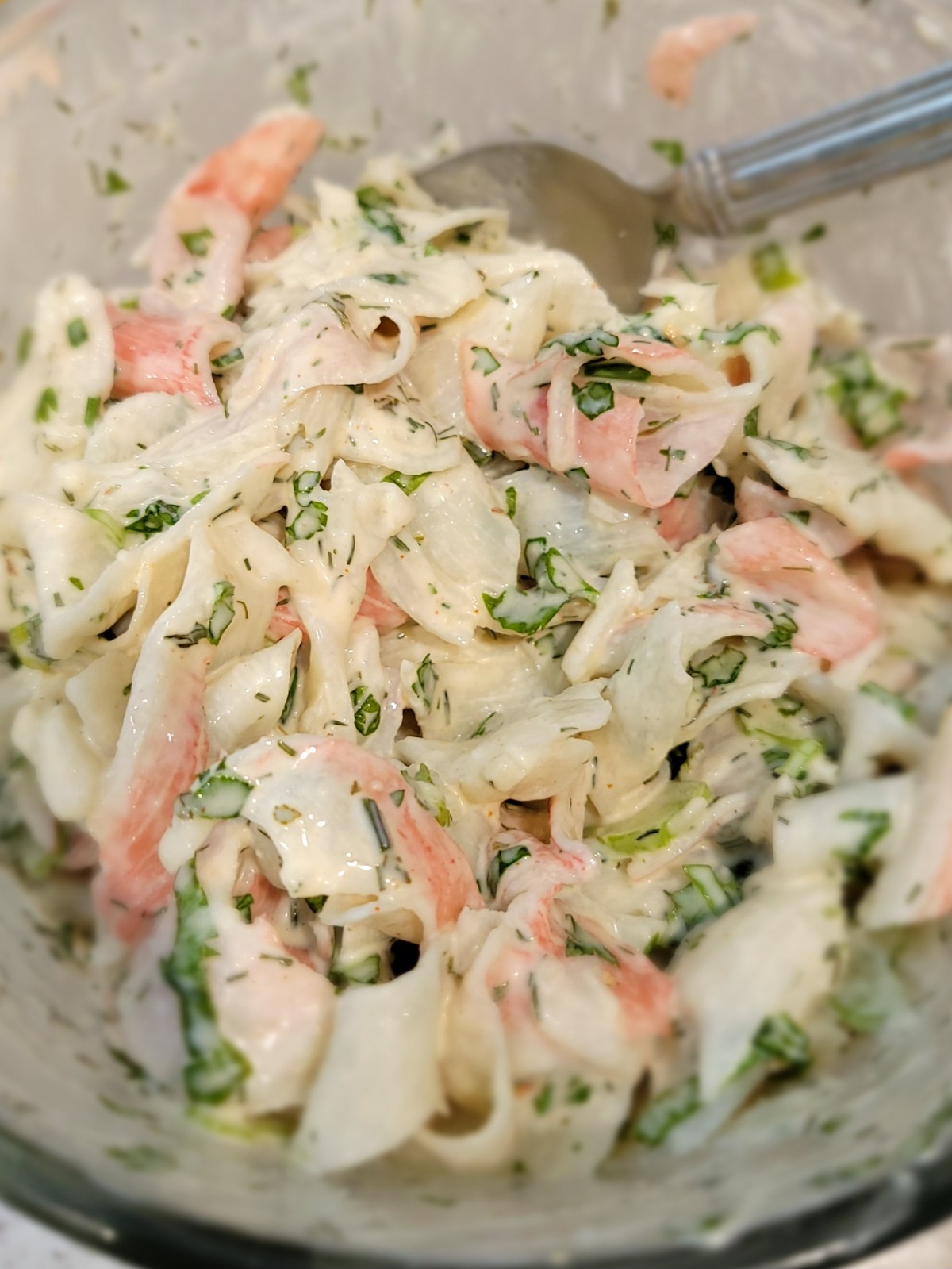
Pescatarian– a person who eats eggs, dairy products, fish and seafood but restricts all meat and poultry.
In my opinion, flexitarian or pescatarian would be a great start for someone who wants to transition into a healthier lifestyle of eating. It is not easy for some people to just quit eating meat or dairy in just a day or a week. Especially if you grew up having meat on your plate with every meal. All it takes is a conscious effort to improve yourself. Changing your diet is not the only thing that takes effort to adjust when we have been conditioned to think something is good, but find it is not. There are many organizations that has misinformed us all of our lives. Making changes is not always easy because it takes us out of our comfort zone, and it’s okay to feel that way, as long as you have the willpower to make that change for your overall well-being.
In conclusion, I hope I have given you some knowledge on different lifestyles of eating and to not be afraid to make that step towards a healthier lifestyle. I, myself, am not perfect and struggle sometimes with sticking to just one category of lifestyle of eating. However, I do put in great effort to fast as much as possible and stick to my plant-based diet. A plant-based diet is the one diet that my body has benefited the most from.
****DISCLAIMERS****
I am not a healthcare professional in any manner. I advise you to speak with your doctor prior to making any decisions concerning your diet.
This post is from my personal research and experience that I want to share.
I do not receive any type of commission from Wikipedia for posting links or using reference for their website.

 Chatty Chansa